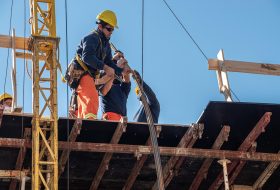
A missed training requirement can hold up a start date, delay site access, or create problems during hiring. That is why many workers and contractors look for OSHA 10 construction online instead of waiting for a classroom seat. When the training is legitimate, easy to access, and built for construction work, it becomes a practical way to stay employable and compliant without losing valuable time.
Who OSHA 10 Construction Online Is For
OSHA 10-hour construction training is designed for entry-level workers in the construction industry. That usually includes laborers, carpenters, roofers, electricians, plumbers, painters, helpers, and other workers who face common jobsite hazards as part of daily work.
It is also relevant for employers who want a consistent baseline of safety awareness across crews. On many projects, especially in larger metro areas and highly regulated environments, having documented safety training is not optional in practice, even when the exact requirement depends on the employer, owner, or local rule.
If you are new to construction, changing employers, returning to the field, or trying to qualify for a project with specific site rules, OSHA 10 can be the right starting point. If you are already supervising workers, assigning tasks, or managing jobsite safety responsibilities, OSHA 30 construction may be the better fit. The difference matters because choosing the wrong course can cost time and money.
What the Course Actually Covers
The purpose of OSHA 10 is not to turn someone into a safety manager. It is meant to build hazard awareness and help workers recognize unsafe conditions before an incident happens.
A legitimate construction course typically covers the core safety topics workers are most likely to face on active jobsites. That includes fall hazards, ladder safety, personal protective equipment, struck-by hazards, caught-in or between hazards, electrical safety, scaffolds, and basic worker rights under OSHA. Depending on the provider and course structure, it may also include materials on health hazards, excavation, confined spaces, tool safety, and emergency procedures.
That broad coverage is one reason the training is widely accepted by employers. It gives workers a practical foundation. It does not replace site-specific orientation, trade-specific instruction, or higher-level certifications, but it does establish a recognized baseline.
Why Online Training Makes Sense
For many working adults, the biggest advantage of taking OSHA 10 online is flexibility. Construction schedules are rarely predictable. Crews start early, weather changes the day, overtime happens, and travel between jobs can make in-person classes hard to attend.
Online training lets workers complete the course when their schedule allows. That might mean a few hours at night, time on a weekend, or progress made over several days between shifts. For employers, online access can also simplify onboarding by reducing the need to coordinate classroom sessions for every new hire.
There is another practical benefit: consistency. A quality online course presents the same approved material to every student, in the same sequence, with the same required topics. That can make compliance tracking easier, especially for companies hiring across different locations.
Still, online is not always the best choice for everyone. Some students prefer a live instructor because they learn better in a classroom, want immediate answers, or are less comfortable with self-paced training. The right format depends on the learner, the deadline, and the employer’s expectations.
How OSHA 10 Construction Online Works
Most online OSHA 10 construction courses are self-paced and available on demand. After registration, students log in, complete the required modules, and work through the material over time rather than in one sitting.
Because this training follows official outreach standards, there are rules around participation and completion. Students should expect identity verification steps, progress tracking, timed content, and final assessment requirements. These are not obstacles. They are part of what helps make the training valid and recognized.
After successful completion, students generally receive proof that they finished the course, followed by an official card process. Timing can vary by provider, and that matters if you need documentation for a job start or compliance deadline. Before enrolling, it is smart to check what kind of completion record is issued first, how long official credentials take, and whether the provider clearly explains the process.
Choosing a Valid OSHA 10 Construction Online Course
Not every course marketed as safety training will meet employer or regulatory expectations. This is where workers should be careful.
A valid OSHA 10 construction online course should be offered through an authorized OSHA Outreach Training Program provider. That is the standard that gives the training industry recognition. If a course description is vague about authorization, completion records, or card issuance, that is a red flag.
Clarity matters. A trustworthy provider should explain who the course is for, whether it is the construction version rather than general industry, how the training is delivered, what approvals or authorizations apply, and what students receive after completion. It should also present support options in case a learner runs into technical issues or has questions about course requirements.
This is especially important for workers in New York City and other areas with additional site access rules. OSHA 10 may be part of a larger compliance path, not the whole requirement. For example, some workers may also need Site Safety Training tied to local regulations. In those cases, enrolling in the right training pathway from the start can prevent duplicated effort.
Common Mistakes That Cause Delays
The most common mistake is registering for the wrong course. Some students take OSHA 10 general industry when they actually need OSHA 10 construction. Those are not interchangeable for many construction roles.
Another mistake is assuming OSHA 10 satisfies every safety requirement on its own. It often does not. An employer may still require jobsite orientation, equipment-specific training, silica awareness, scaffold user instruction, fall protection training, or local jurisdiction requirements. OSHA 10 is a foundation, not a complete safety program.
Students also run into trouble when they wait too long. If your employer needs proof of training before you can report to a site, last-minute enrollment creates unnecessary pressure. Online access is convenient, but completion still takes real time. Starting early is the safest move.
Finally, some learners focus only on price. Cost matters, but cheap training that is not properly authorized can become expensive if you have to retake the course with a valid provider.
What Employers and Workers Should Look For
A good training experience should be straightforward. Registration should be simple. Course access should be immediate or clearly scheduled. Requirements should be explained in plain language. Support should be available if there is a problem.
For employers, the value is not just that workers complete a course. The value is that training records are dependable and the content aligns with real construction hazards. For workers, the value is confidence. You want to know that the hours you spend online will count, that the credential will be recognized, and that the course fits your actual role.
That is where an industry-focused provider stands apart. A company that works daily in construction compliance understands the difference between a general safety product and a course pathway that supports hiring, site access, and renewal requirements. PDH STAR serves that need by offering construction-focused online training built around recognized compliance categories and practical enrollment paths.
Is OSHA 10 Enough, or Do You Need More?
It depends on your role and location. For many entry-level construction workers, OSHA 10 is the expected baseline. For supervisors, foremen, and those with broader safety responsibilities, OSHA 30 is often the more appropriate credential.
The same goes for local rules and specialty work. If you are working on a site with New York City SST obligations, hazardous material exposure concerns, or tasks involving equipment and elevated risk, you may need additional training beyond OSHA 10. The best approach is to match the course to the job, not just the quickest option available.
That is why workers should think beyond a single certificate. The goal is not just to finish a class. The goal is to meet the safety and compliance standard that keeps you eligible to work.
The Bottom Line on OSHA 10 Construction Online
Online OSHA 10 construction training works well when you need flexibility, recognized instruction, and a clear path to compliance. It is a practical option for workers who cannot step away for a classroom course and for employers who need a more efficient onboarding process.
The key is choosing valid training that matches your role, your industry, and any local requirements tied to the project. If you take the time to enroll in the right course now, you are not just checking a box. You are making it easier to get on site, stay qualified, and keep moving forward in construction.